

Jaw discomfort is just one piece of the puzzle—many people experience symptoms that initially seem unrelated. TMJ disorders can lead to dizziness, headaches, and tinnitus, making it more complex than many realize.
When you experience frequent tension in your head or unexplained issues with balance or focus, your oral health could be contributing more than you think.
These symptoms may not immediately point to a jaw-related condition, but understanding the connection can be the first step toward achieving lasting relief.
Understanding TMJ & Symptoms
The temporomandibular joint (TMJ) connects your jaw to your skull, letting you speak, chew, and yawn. However, when this joint is inflamed or dysfunctional, it can lead to TMJ disorders (TMD).
The symptoms of TMJ often extend beyond the jaw, affecting various parts of your body, including your head, face, ears, and neck.
Key symptoms of TMJ include:
- Discomfort or tenderness in the jaw
- Clicking or popping sounds when opening or closing the mouth
- Difficulty chewing or speaking
- Headaches that resemble migraines
- Dizziness or a sense of imbalance
- Earaches, tinnitus, or a feeling of fullness in the ears
These symptoms may vary in intensity and frequency, sometimes flaring up due to stress, jaw clenching, or poor posture. Even small habits like resting your chin on your hand or chewing gum excessively can worsen TMJ discomfort over time.
Why Does TMJ Cause Dizziness?
The jaw joints are located near the ear, close to structures responsible for balance, such as the inner ear. When the joint becomes inflamed, it can affect these balance-regulating systems, leading to dizziness or vertigo in some patients.
Sometimes, the dizziness may be intermittent and triggered by jaw movement, head position, or even chewing. Keeping a symptom diary can help your provider determine how TMJ problems affect your balance.
TMJ-Induced Headaches
TMJ-related headaches are often overlooked but are incredibly common. You may experience a tension headache, like a tight band around your forehead, or feel tightness in your facial or jaw muscles.
TMD headaches occur when the muscles surrounding the jaw and neck become tense or strained due to joint dysfunction, causing discomfort to radiate into the temples, forehead, or base of the skull.
Unlike typical headaches, TMJ headaches may feel worse in the morning if nighttime clenching is a contributing factor. Your healthcare provider may recommend a night guard or stress management techniques as part of your TMD treatment plan.
What Is Botox & How Does It Work for TMD
Living with TMJ can affect your quality of life, but treatment options are available to help manage your symptoms.
While Botox injections are known as a cosmetic treatment for reducing wrinkles, the treatment is also Health Canada-approved for the relief of migraines and is widely used to manage TMJ disorders effectively.
Botox works by relaxing the muscles around the jaw, helping to:
- Reduce tension & discomfort
- Minimize jaw clenching & bruxism (teeth grinding)
- Alleviate TMJ-induced headaches
- Diminish pressure on surrounding structures, including the inner ear, potentially reducing dizziness
- Improve range of motion in the jaw, making everyday tasks easier
Benefits of Botox for TMJ Disorders
Here are some of the benefits of Botox for TMJ disorders:
- Immediate relief within days of the first treatment
- Minimally invasive with quick treatment time & no downtime
- Targeted approach to provide a localized solution for relief
- Improved quality of life with fewer headaches, less jaw discomfort, & improved balance
What to Expect During Botox TMJ Treatment
If you’re considering Botox for TMD, here’s a brief overview of the process at Markham Dental.
Consultation
During your first visit, our team will assess your symptoms, discuss treatment goals, and create a personalized care plan tailored to your needs.
Procedure
An injection treatment typically takes 10–30 minutes to complete. Our dentist will carefully inject Botox into specific areas around your jaw, temples, and neck to target problem muscles.
Recovery
There’s no downtime after the procedure. You can resume normal activities immediately, although you may experience mild swelling at the injection sites, which typically subsides within 1–2 days.
Avoid vigorous exercise, drinking alcohol, and rubbing or applying pressure to or around the injection site for at least 24 hours to help minimize bruising and prevent the spread to other areas.
Follow-Up Care
Botox effects generally last several months, so regular follow-up appointments help support ongoing relief.

Why Choose Markham Dental for TMJ Treatment?
At Markham Dental, we understand the impact of TMJ-related symptoms on your daily life. With years of experience in TMD treatment and a focus on progressive, noninvasive approaches, we prioritize providing solutions that work for you.
Here’s why patients trust us for TMJ care:
- A dedicated team of qualified professionals who prioritize your comfort
- Modern technology to support precise diagnosis & treatment planning
- Comprehensive aftercare to promote long-lasting results
- Convenient appointment options, including evenings & Saturdays
Taking the Next Steps
When TMJ symptoms are interfering with your daily life, our team can help you explore treatment options that can bring real relief. Botox has helped change how we manage TMJ, offering a minimally invasive solution to alleviate discomfort, reduce dizziness, and reduce headaches.
At Markham Dental, we’re committed to helping you find comfort and a reason to smile. Book an appointment today to learn how Botox could be part of your personalized TMJ treatment plan.
Specialty Servicesfor Every Smile
Sleep Better, Breathe Better
Start your home sleep study today with no family doctor referral needed. Through our partnership with Resolve Health, you can complete a convenient WatchPAT ONE home sleep test from the comfort of your home, followed by personalized care from our team.
From oral appliances and CPAP support to myofunctional therapy and airway-focused treatment, we provide comprehensive solutions for children and adults.
Train Your Muscles, Improve Your Sleep
Our myofunctional therapy programs retrain the tongue, lips, and facial muscles to support nasal breathing, reduce snoring, and improve airway function. We work with children and adults to build long-term habits that benefit sleep, oral posture, and facial development.
Straighten Teeth, Support Healthy Breathing
We offer comprehensive orthodontic care for all ages, including braces and Invisalign. Beyond aesthetics, our approach improves bite, jaw function, and airway health, helping both children and adults achieve a healthy, functional smile.
Relieve Jaw Discomfort and Improve Function
Our TMJ treatment addresses jaw discomfort, clenching, and muscle tension using tailored therapies. From bite adjustments to neuromodulator support, we focus on restoring jaw function and reducing discomfort for a better quality of life.
Relax Facial Muscles, Improve Comfort
Neuromodulator treatments like Jeuveau/Neuceiva can reduce tension in the jaw and face, relieve TMJ discomfort, treat migraines, and refine fine lines. Our team customizes treatments for both therapeutic and aesthetic benefits.
Replace Missing Teeth with Stability and Function
Our dental implant services, including all-on-4 implants, restore missing or damaged teeth for a secure, natural-feeling smile. Implants support bite function, improve chewing and speaking, and prevent bone loss. Our team provides personalized planning, guided surgery, and ongoing support for long-lasting results.
What SetsMarkham Dental Apart
We approach your care differently, with a focus on health, function, and long-term prevention. At Markham Dental, we are:
We look beyond your teeth, incorporating assessments like blood pressure, airway and tongue analysis, and sleep screening to better understand how your oral health connects to your overall well-being.
With denturists, prosthodontists, orthodontists, and general dentists working together, your care is coordinated, comprehensive, and tailored to your needs.
Every exam is designed to be in-depth and intentional, with advanced assessments included at no additional cost, so nothing is overlooked.
What Our PatientsAre Saying
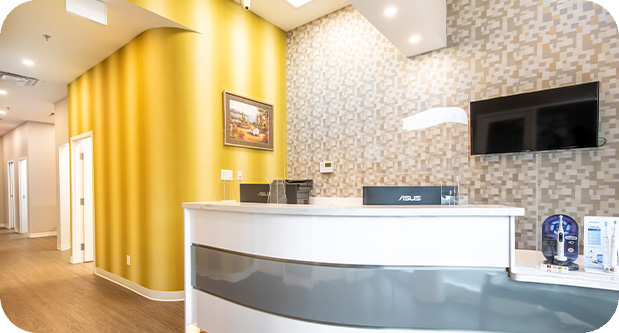
Come Visit Usin Markham
You can find us on Woodbine Avenue, with plenty of parking available outside the clinic. We look forward to seeing you!
Our Address
- 8241 Woodbine Ave, Unit 17
- Markham, ON L3R 2P1
Contact Information
- Phone: (905) 470-0220
- Fax: 289-806-1423
- Email: info@markhamdentalhw.com
Hours of Operation
Markham Dental
- 8241 Woodbine Ave, Unit 17
- Markham, ON L3R 2P1
- Phone: (905) 470-0220
- Fax: 289-806-1423
- Email: info@markhamdentalhw.com