
What Is TMJ?
TMJ stands for the temporomandibular joint, which connects the lower jaw to the skull, just in front of the ears. This joint allows for movements like chewing, speaking, and yawning by enabling the jaw to open, close, and move from side to side.
The TMJ is a complex structure of bones, muscles, ligaments, and a cartilage disc that helps absorb shock and provides smooth motion. It plays a crucial role in daily functions, and its proper alignment and function are essential for comfort and efficiency in jaw movement.
At Markham Dental, we take a comprehensive approach to TMJ care by evaluating your bite, jaw function, airway, and muscle patterns. When appropriate, we may recommend orofacial myofunctional therapy alongside treatments such as oral appliances or neuromodulators to improve tongue posture, muscle function, and long-term jaw stability.
If this joint becomes uncomfortable or stiff, it may be a sign that you have TMJ disorder (TMD). Book your appointment with our team at Markham Dental to find relief.
Book AppointmentUnderstanding Temporomandibular Joint Disorder (TMD)
Temporomandibular joint disorder (TMD) can be a debilitating condition, causing discomfort in the jaw joint and surrounding muscles. Symptoms may include difficulty chewing, talking, and even opening the mouth.
At Markham Dental, we understand the impact TMD can have on your quality of life and are committed to offering effective, noninvasive treatment options for relief.
For TMJ/TMD treatment in Markham, visit our dentists today!
Introducing Botulinum Toxin Type A (Botox) for TMD Treatment
Botulinum toxin type A, commonly known as Botox, has emerged as a promising treatment for managing TMJ discomfort and TMD. This minimally invasive procedure targets muscle tension, helping provide significant relief for many patients.
How Botox Works for TMJ/TMD
Botox for TMJ/TMD works by blocking the signals between the nerves and muscles, reducing the ability of the affected muscles to contract. When injected directly into the muscles associated with TMD, Botox can help to:
- Relax muscle tension: Reduce the frequent and often uncomfortable muscle contractions that contribute to TMD symptoms.
- Alleviate discomfort: Provide significant relief by minimizing muscle strain and reducing inflammation.
- Improve jaw function: Enhance the ease of movement, making it simpler to chew, speak, and open your mouth.
This treatment is safe, effective, and well-tolerated, offering a non-surgical alternative for those seeking relief from TMD.
Key Benefits for Patients Experiencing TMJ Discomfort
Patients undergoing Botox treatment for TMJ/TMD at Markham Dental can expect several key benefits, including:
- Discomfort reduction: Experience a significant decrease in jaw aches and overall discomfort.
- Increased mobility: Enjoy improved jaw function, making everyday activities like eating and speaking more comfortable.
- Minimally invasive: Benefit from a non-surgical approach that involves a quick, simple injection procedure.
- Quick recovery: Return to your daily activities almost immediately, with minimal downtime.
- Long-lasting relief: Enjoy results that can last several months, providing sustained relief from TMD symptoms.
- Comprehensive care: Complement other TMD treatments for a more holistic management approach.
Protect Your Jaw and Teeth with Night and Sports Guards
Do you wake up with jaw pain, headaches, or tension in your neck and back? You may be experiencing bruxism, or teeth clenching and grinding. Left untreated, it can lead to dental damage and affect your overall quality of life.
At Markham Dental, we offer custom night guards and sports guards to protect your teeth, relieve discomfort, and support your overall well-being.
Custom night guards fit comfortably over your teeth, acting as a barrier between the upper and lower teeth to prevent grinding during sleep. They help reduce pressure on the jaw muscles and protect your teeth from wear.
Benefits include:
- Relief from jaw and facial pain
- Fewer headaches and migraines
- Reduced neck and back tension
- A safe, medication-free solution
- Protection against long-term dental damage
If you play contact or high-impact sports, a custom sports guard shields your teeth and gums from injury. It’s a simple way to protect your smile while staying active.
Sometimes jaw or body pain stems from bite misalignment. Our team offers:
- Bite Rehabilitation: Realigns teeth to reduce pressure and improve comfort
- Night Appliances: Custom night guards for milder bruxism cases
Insurance coverage is accepted for most treatments
Your night guard is only as effective as its fit. That’s why we use advanced digital scanning and 3D printing technology to create custom night guards designed specifically for your bite.
Digital impressions eliminate messy traditional moulds while providing exceptional accuracy. Our digital workflow allows us to fabricate comfortable, durable appliances that fit precisely, helping improve protection, reduce jaw strain, and enhance long-term comfort.
Whether you’re managing bruxism, TMJ discomfort, or protecting your teeth from wear, our technology helps deliver a more personalized and predictable solution.

The Connection Between TMJ, Airway Health, and Sleep
TMJ discomfort, clenching, grinding, headaches, and poor sleep are often connected to airway and breathing issues. At Markham Dental, we take an airway-focused approach by evaluating breathing patterns, bite alignment, muscle function, and sleep quality to identify underlying causes.
Your assessment may include:
- Airway and sleep screening
- Home sleep apnea testing (HSAT)
- Oral appliances
- Orofacial myofunctional therapy
By addressing airway and muscle function together, we help support better sleep, reduced tension, and long-term TMJ relief. Could your jaw pain, headaches, clenching, or poor sleep be airway-related? Our team can help you find out.
Not Every Airway Problem Is Sleep Apnea
Breathing issues don’t always begin with obstructive sleep apnea (OSA). Many patients experience upper airway resistance, where restricted airflow causes the body to work harder to breathe during sleep, even without repeated pauses in breathing. This can contribute to symptoms such as:
- Jaw clenching or teeth grinding
- Morning headaches
- TMJ discomfort
- Poor sleep quality
- Daytime fatigue
- Mouth breathing
At Markham Dental, we assess your airway, bite, tongue posture, and sleep patterns to identify whether airway resistance or sleep apnea may be contributing to your symptoms. When appropriate, we can arrange a home sleep study to better understand your sleep health.
A Collaborative Approach to Airway and Sleep Care
Dental and Medical Care Working Together
Sleep and airway concerns often require more than one type of healthcare provider. That’s why Markham Dental collaborates with Resolve Sleep, sleep physicians, and other healthcare professionals to provide coordinated, evidence-based care.
Whether you require home sleep apnea testing, oral appliance therapy, CPAP support, or referral to a sleep specialist, our team helps guide you through every stage of diagnosis and treatment.
This collaborative approach allows us to treat not only your symptoms, but also the underlying factors affecting your breathing, sleep, and overall health.
How Airway Dentistry, Sleep Apnea Treatment, and Myofunctional Therapy Work Together
TMJ discomfort is often only one piece of the puzzle. Problems with breathing, tongue posture, facial muscle function, and bite alignment can all contribute to jaw pain, clenching, headaches, and disrupted sleep.
Our comprehensive approach combines therapies that work together to improve long-term function:
- Airway Dentistry evaluates breathing, bite, and jaw development.
- Sleep Apnea Treatment supports healthy airflow using home sleep testing, oral appliances, and CPAP support when appropriate.
- Orofacial Myofunctional Therapy (OMT) retrains the tongue, lips, and facial muscles to encourage proper nasal breathing, healthy swallowing patterns, and long-term stability.
By addressing muscle function alongside airway health, we help reduce strain on the jaw, improve sleep quality, and support lasting treatment outcomes.
Could Orofacial Myofunctional Disorders Be Affecting You?
Improper tongue posture, mouth breathing, tongue thrust, speech concerns, crowded teeth, orthodontic relapse, snoring, and TMJ discomfort can all be signs of an orofacial myofunctional disorder (OMD). By identifying these patterns early, we can develop treatment plans that support healthier breathing, jaw function, and facial development for both children and adults.
This is a unique offering that very few dental practices highlight, and it aligns perfectly with the practice’s airway-focused philosophy.
Frequently Asked Questions (FAQs)
Botox is administered through a series of small injections directly into the muscles responsible for TMD symptoms. The procedure typically takes about 10–30 minutes and is performed in our office.
Patients often begin to notice an improvement in their symptoms within a few days to a week after treatment. The full effects can take up to 2 weeks to become apparent.
While Botox is generally safe and well-tolerated, some patients may experience mild side effects, such as localized discomfort, swelling, or bruising at the injection site. These side effects are usually temporary and should resolve on their own.
The effects of Botox typically last for 3–6 months. Patients may require follow-up injections to maintain relief, depending on the severity of their symptoms and individual response to treatment.
Yes, Botox can be part of a comprehensive TMD treatment plan. It may complement other therapies such as physical therapy, oral appliances, or medications for better results.
Coverage for Botox treatment for TMD varies by insurance provider. We recommend checking with your insurance company to determine if this treatment is covered under your plan.
Ideal candidates for Botox treatment are people who suffer from chronic TMD symptoms that have not responded well to other treatments. During your consultation, our team will assess your condition and determine if Botox is the right option for you.
Schedule Your Consultation with Our Airway Team
If TMD, jaw tension, clenching, headaches, or poor sleep are affecting your daily life, our Airway Team at Markham Dental can help identify the underlying factors contributing to your symptoms.
Through comprehensive evaluations of your jaw function, airway, breathing patterns, and muscle coordination, we create personalized treatment plans that may include TMJ therapies, oral appliances, or orofacial myofunctional therapy.
Our team is committed to providing coordinated, patient-focused care that supports better breathing, improved sleep, and healthier jaw function.
Schedule your consultation today and take the first step toward understanding how your airway, sleep, and TMJ health are connected.
Book AppointmentSpecialty Servicesfor Every Smile
Sleep Better, Breathe Better
Start your home sleep study today with no family doctor referral needed. Through our partnership with Resolve Health, you can complete a convenient WatchPAT ONE home sleep test from the comfort of your home, followed by personalized care from our team.
From oral appliances and CPAP support to myofunctional therapy and airway-focused treatment, we provide comprehensive solutions for children and adults.
Train Your Muscles, Improve Your Sleep
Our myofunctional therapy programs retrain the tongue, lips, and facial muscles to support nasal breathing, reduce snoring, and improve airway function. We work with children and adults to build long-term habits that benefit sleep, oral posture, and facial development.
Straighten Teeth, Support Healthy Breathing
We offer comprehensive orthodontic care for all ages, including braces and Invisalign. Beyond aesthetics, our approach improves bite, jaw function, and airway health, helping both children and adults achieve a healthy, functional smile.
Relieve Jaw Discomfort and Improve Function
Our TMJ treatment addresses jaw discomfort, clenching, and muscle tension using tailored therapies. From bite adjustments to neuromodulator support, we focus on restoring jaw function and reducing discomfort for a better quality of life.
Relax Facial Muscles, Improve Comfort
Neuromodulator treatments like Jeuveau/Neuceiva can reduce tension in the jaw and face, relieve TMJ discomfort, treat migraines, and refine fine lines. Our team customizes treatments for both therapeutic and aesthetic benefits.
Replace Missing Teeth with Stability and Function
Our dental implant services, including all-on-4 implants, restore missing or damaged teeth for a secure, natural-feeling smile. Implants support bite function, improve chewing and speaking, and prevent bone loss. Our team provides personalized planning, guided surgery, and ongoing support for long-lasting results.
What SetsMarkham Dental Apart
We approach your care differently, with a focus on health, function, and long-term prevention. At Markham Dental, we are:
We look beyond your teeth, incorporating assessments like blood pressure, airway and tongue analysis, and sleep screening to better understand how your oral health connects to your overall well-being.
With denturists, prosthodontists, orthodontists, and general dentists working together, your care is coordinated, comprehensive, and tailored to your needs.
Every exam is designed to be in-depth and intentional, with advanced assessments included at no additional cost, so nothing is overlooked.
What Our PatientsAre Saying
Come Visit Usin Markham
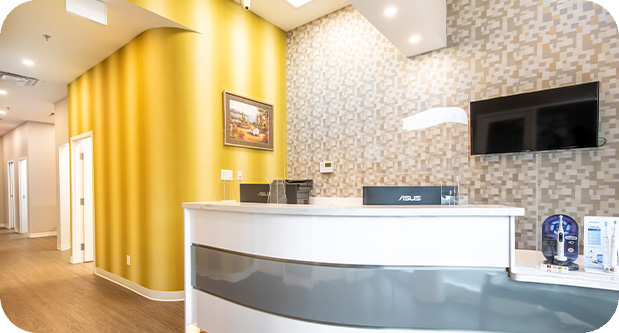
You can find us on Woodbine Avenue, with plenty of parking available outside the clinic. We look forward to seeing you!
Our Address
- 8241 Woodbine Ave, Unit 17
- Markham, ON L3R 2P1
Contact Information
- Phone: (905) 470-0220
- Fax: 289-806-1423
- Email: info@markhamdentalhw.com
Hours of Operation
Markham Dental
- 8241 Woodbine Ave, Unit 17
- Markham, ON L3R 2P1
- Phone: (905) 470-0220
- Fax: 289-806-1423
- Email: info@markhamdentalhw.com