
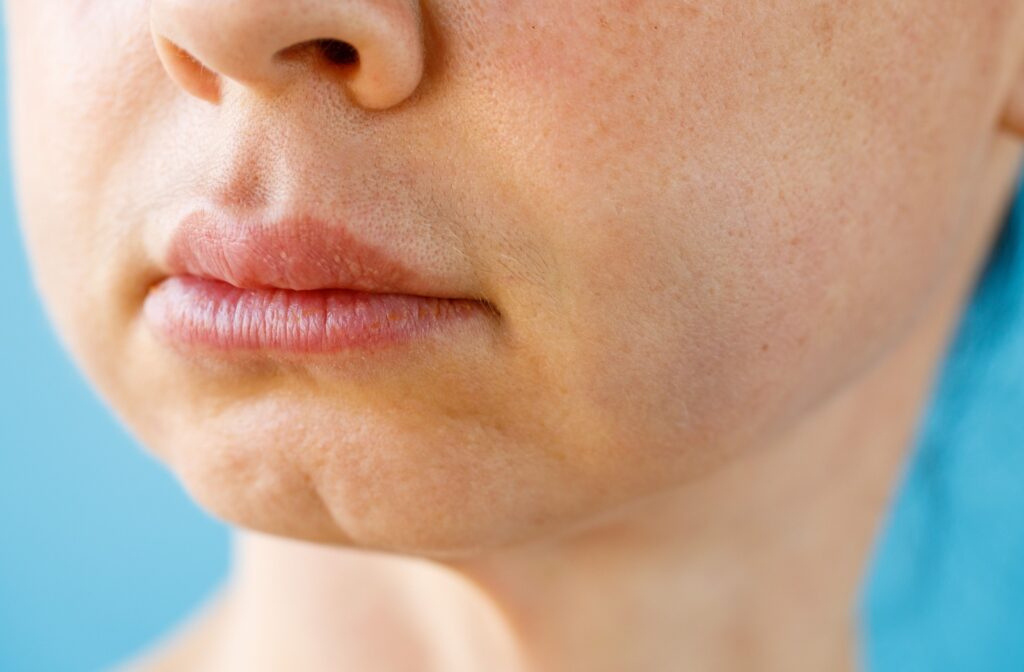
Wisdom teeth, or third molars, are the last teeth to develop in the mouth. They typically appear between the ages of 17 and 25, and while some people have enough room in their mouths to accommodate them, many experience issues due to lack of space or improper alignment, prompting extraction.
With the right approach, recovering from wisdom tooth removal can be smooth. Tospeed up recovery, focus on following your dentist’s instructions, eating soft foods, practisinggentle oral hygiene, staying hydrated, and knowing when to seek help. By prioritizing these key steps, you can minimize discomfort and promote faster healing.
Why Remove Wisdom Teeth?
Wisdom teeth are located at the back of the mouth and can be challenging to clean, making them more susceptible to cavities and gum disease. They can function like other molars when they grow correctly and are healthy. However, their development may lead to complications.
Not all wisdom teeth require removal, but in many cases, extraction is necessary to prevent or address problems such as:
- Impaction: When wisdom teeth fail to emerge fully, they can become trapped under the gums or against other teeth. This can cause pain, swelling, and potential infection.
- Overcrowding: If the jaw is too small to accommodate wisdom teeth, they can push against neighbouring teeth, causing misalignment.
- Decay or infection: Wisdom teeth are harder to clean due to their location at the back of the mouth and can increase the risk of cavities or gum disease.
- Cysts or damage: Impacted wisdom teeth can form cysts, potentially damaging surrounding bone or roots.
Removing wisdom teeth can alleviate pain, reduce the risk of complications, and protect overall oral health.
Recovering from Wisdom Teeth Removal
Recovering from wisdom teeth removal is an essential part of the healing process. Proper aftercare can help you minimize discomfort, avoid complications, and return to your daily routine as quickly as possible.
The recovery period typically lasts about one to two weeks, depending on the complexity of the extraction and how well aftercare instructions are followed. Swelling and discomfort are common in the first few days, but these symptoms should gradually improve with time.
To ensure a smooth recovery, focusing on gentle care for your mouth, proper hygiene, and choosing the right foods is essential. The following essential tips are meant to help support your recovery journey and promote faster healing.
1. Follow Post-Surgery Instructions
Adhering to your dentist’s care plan helps you have a smooth recovery. These instructions are designed to prevent complications and ease discomfort.
- Rest: Take it easy for the first 24 to 48 hours and avoid strenuous activities.
- Cold compresses: Apply ice packs to reduce swelling in the first 24 hours, alternating 15 minutes on and 15 minutes off.
- Avoid smoking: Smoking delays healing and can lead to dry socket, a painful condition that can occur after surgery.

2. Adjust Your Diet for Recovery
What you eat after surgery can have a significant impact on your recovery. A soft and nutritious diet is essential.
- Opt for foods like mashed potatoes, yogurt, and scrambled eggs.
- Avoid crunchy, spicy, or hot foods, as they can irritate the surgical site.
- Slowly reintroduce solid foods as healing progresses to prevent stress on the surgical area.
3. Practise Gentle Oral Hygiene
Proper oral care after surgery is crucial to preventing infections and ensuring optimal healing.
- Gently rinse your mouth with warm salt water starting 24 hours after surgery.
- Avoid brushing near the surgical site for at least two days.
- Use a soft-bristled toothbrush and alcohol-free mouthwash to maintain hygiene without irritation.
4. Stay Hydrated & Avoid Straws
Hydration is essential for overall recovery, but avoiding straws during this time is important. Using a straw can create suction that dislodges the protective blood clot, increasing the risk of complications. Instead:
- Drink plenty of water with regular cups or mugs to keep your mouth hydrated and promote healing.
- Avoid sugary, caffeinated, or acidic beverages that may irritate the surgical site.
- Sip slowly and carefully to avoid discomfort.
5. Recognize When to Seek Help
While mild discomfort is normal, watching for signs that may indicate complications is essential. Contact your dentist immediately if you experience:
- Persistent or worsening pain.
- Excessive swelling or bleeding.
- Signs of infection, such as fever or pus.
- Difficulty opening your mouth or swallowing.
If you have concerns or an emergency arises, consult your dentist for guidance.
Support for Every Step of Your Wisdom Teeth Journey
Having your wisdom teeth removed can be a routine part of maintaining your oral health, and it’s an opportunity to take a positive step toward a healthier smile. At Markham Dental, we’re dedicated to guiding you through every process stage, from consultation to recovery, with care tailored to your unique needs.
Schedule an appointment to consult with one of our experienced dentists and determine if wisdom tooth extraction is the right choice for you. Together, we’ll work to keep your smile healthy, confident, and bright for years to come!
Specialty Servicesfor Every Smile
Sleep Better, Breathe Better
Start your home sleep study today with no family doctor referral needed. Through our partnership with Resolve Health, you can complete a convenient WatchPAT ONE home sleep test from the comfort of your home, followed by personalized care from our team.
From oral appliances and CPAP support to myofunctional therapy and airway-focused treatment, we provide comprehensive solutions for children and adults.
Train Your Muscles, Improve Your Sleep
Our myofunctional therapy programs retrain the tongue, lips, and facial muscles to support nasal breathing, reduce snoring, and improve airway function. We work with children and adults to build long-term habits that benefit sleep, oral posture, and facial development.
Straighten Teeth, Support Healthy Breathing
We offer comprehensive orthodontic care for all ages, including braces and Invisalign. Beyond aesthetics, our approach improves bite, jaw function, and airway health, helping both children and adults achieve a healthy, functional smile.
Relieve Jaw Discomfort and Improve Function
Our TMJ treatment addresses jaw discomfort, clenching, and muscle tension using tailored therapies. From bite adjustments to neuromodulator support, we focus on restoring jaw function and reducing discomfort for a better quality of life.
Relax Facial Muscles, Improve Comfort
Neuromodulator treatments like Jeuveau/Neuceiva can reduce tension in the jaw and face, relieve TMJ discomfort, treat migraines, and refine fine lines. Our team customizes treatments for both therapeutic and aesthetic benefits.
Replace Missing Teeth with Stability and Function
Our dental implant services, including all-on-4 implants, restore missing or damaged teeth for a secure, natural-feeling smile. Implants support bite function, improve chewing and speaking, and prevent bone loss. Our team provides personalized planning, guided surgery, and ongoing support for long-lasting results.
What SetsMarkham Dental Apart
We approach your care differently, with a focus on health, function, and long-term prevention. At Markham Dental, we are:
We look beyond your teeth, incorporating assessments like blood pressure, airway and tongue analysis, and sleep screening to better understand how your oral health connects to your overall well-being.
With denturists, prosthodontists, orthodontists, and general dentists working together, your care is coordinated, comprehensive, and tailored to your needs.
Every exam is designed to be in-depth and intentional, with advanced assessments included at no additional cost, so nothing is overlooked.
What Our PatientsAre Saying
Come Visit Usin Markham
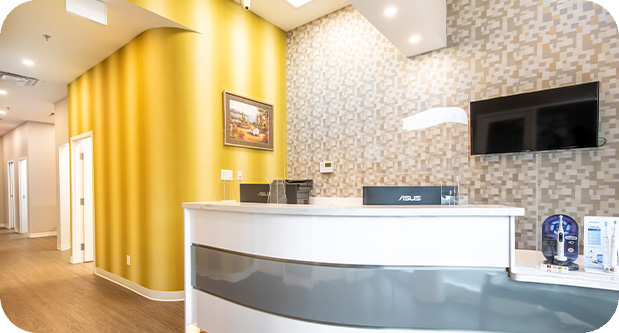
You can find us on Woodbine Avenue, with plenty of parking available outside the clinic. We look forward to seeing you!
Our Address
- 8241 Woodbine Ave, Unit 17
- Markham, ON L3R 2P1
Contact Information
- Phone: (905) 470-0220
- Fax: 289-806-1423
- Email: info@markhamdentalhw.com
Hours of Operation
Markham Dental
- 8241 Woodbine Ave, Unit 17
- Markham, ON L3R 2P1
- Phone: (905) 470-0220
- Fax: 289-806-1423
- Email: info@markhamdentalhw.com